Your Home Ed journey
Starting out — what the law actually says
Deregistering from school
Once you've decided to home educate your child and remove them from mainstream school — even if they have an EHCP — you must send a deregistration letter to the school. You must make sure your child receives a full-time education from age 5, but you do not have to follow the National Curriculum.
If your child has special educational needs (SEN): if they attend a special school, you'll need the council's permission to educate them at home. You do not need council permission if your child attends a mainstream school, even if they have an Education, Health and Care (EHC) plan.
The legal position
As parents, you — not the state — are responsible for ensuring your child receives a suitable education if they're of compulsory school age. Despite the term "compulsory school age," education doesn't have to happen through attendance at school.
There's no legislation specific to home education, but Section 7 of the Education Act 1996 says the parent of every child of compulsory school age shall cause them to receive efficient full-time education suitable to their age, ability and aptitude, and to any special educational needs they may have — either by regular attendance at school, or otherwise. Elective home education is that "otherwise" — and it's the basis for a local authority's involvement.
Child-led learning
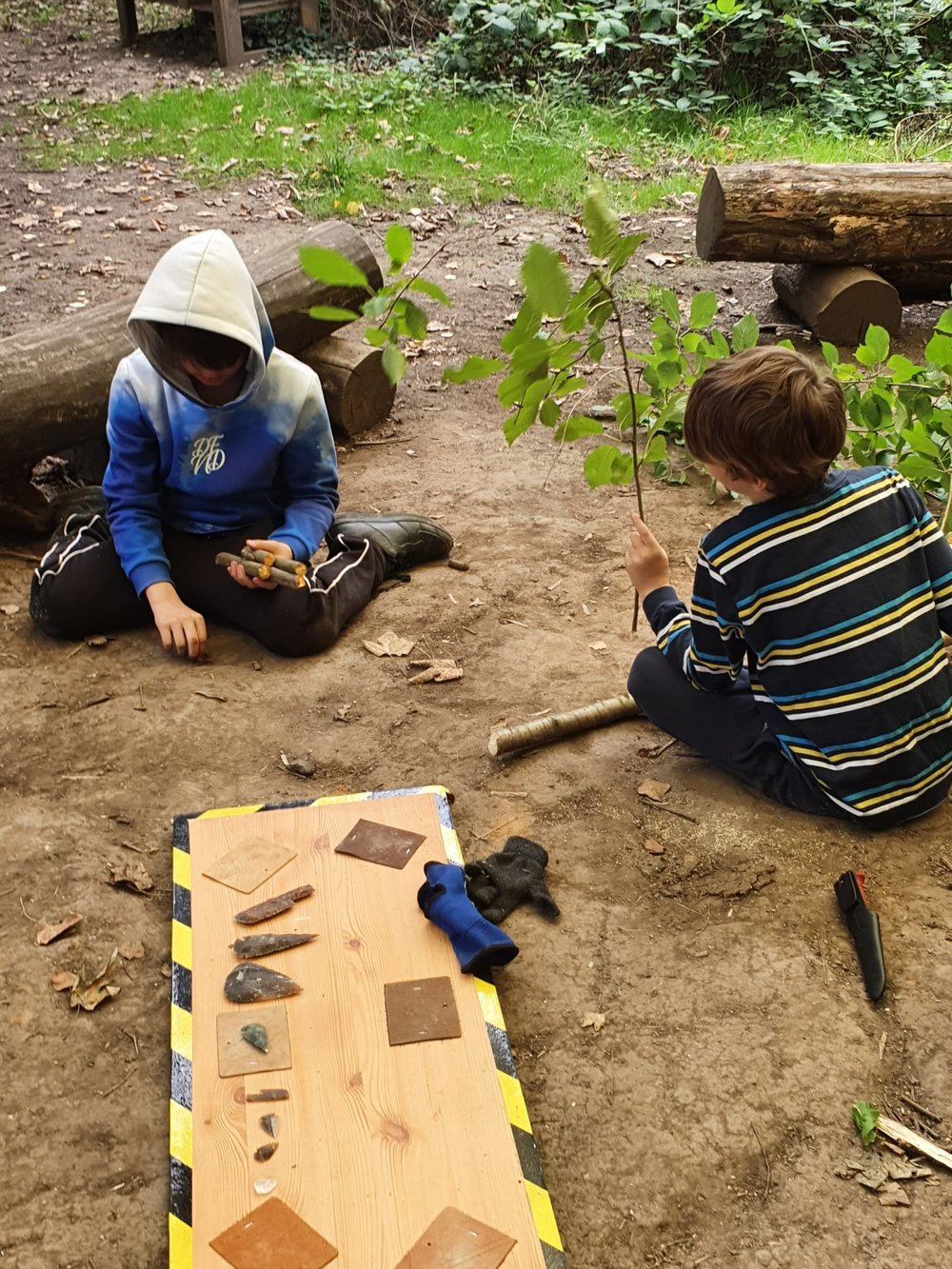
Child-led learning and facilitated learning differ from traditional schooling by focusing on the child's interests and natural curiosity rather than a set curriculum. Some families continue with the National Curriculum; others take a different approach entirely.
- Natural curiosity — children pursue topics that genuinely interest them, rather than a fixed syllabus.
- Life as learning — everyday activities like cooking, gardening, play and exploring nature are all opportunities to learn.
- No grades or tests — traditional assessment is replaced with self-reflection and real-world feedback.
- Parental role — parents act as facilitators rather than traditional teachers, providing resources, guidance and support as needed.
Benefits: personalised learning tailored to your child's own style and interests; flexibility to adapt as their needs change; and intrinsic motivation — a love of learning driven by curiosity rather than external reward.
School deregistration letter template
A ready-to-edit letter for notifying your child's school, including the SEN/EHCP note above.
How do I deregister my child from school?
Once you have decided to home educate your child, you must send a letter to the school requesting that your child is to be deregistered. If your child attends a special school, you must request permission from the LA (your council). Please see the button above for our deregistration template letter.
Do I have to home educate my child during school hours?
With home education, you can set your own hours for your child's education. The law states: the parent of every child of compulsory school age shall cause him to receive efficient full-time education suitable — (a) to his age, ability and aptitude, and (b) to any special educational needs he may have, either by regular attendance at school or otherwise.
What about Socialisation?
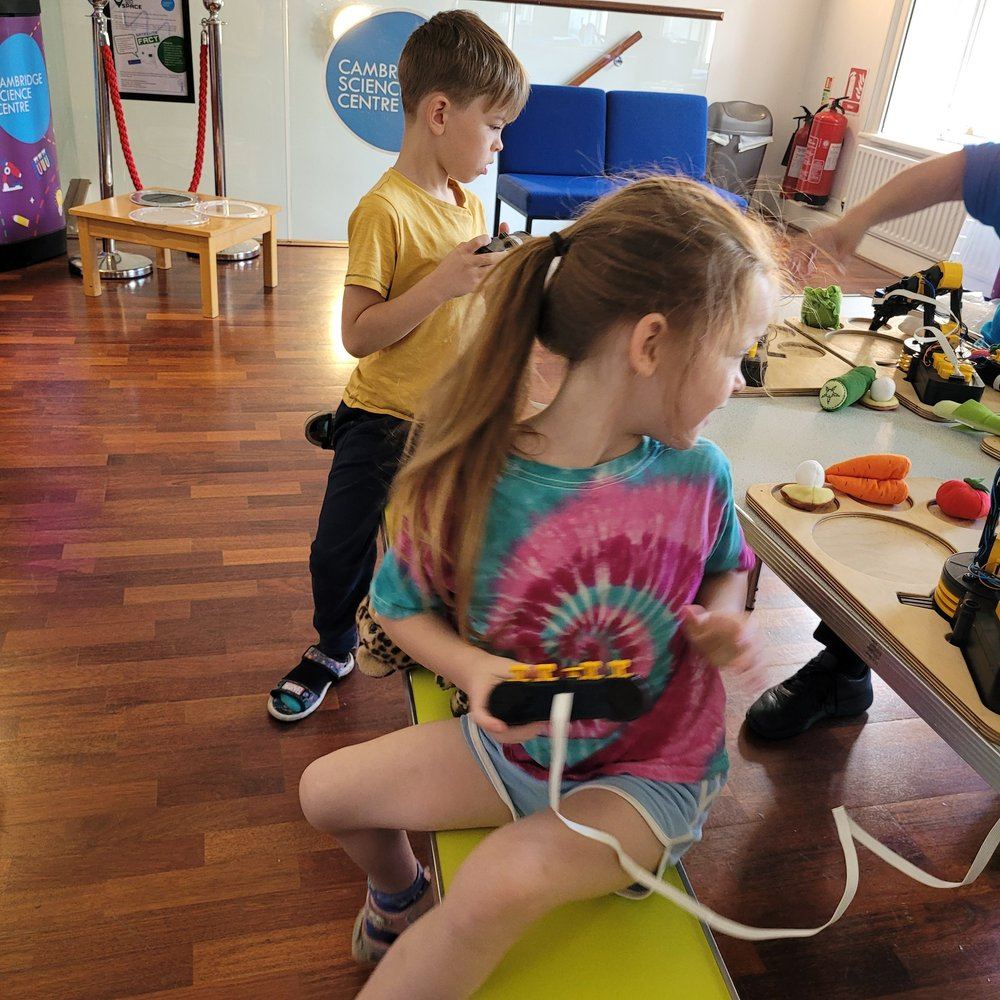
This was one of our biggest questions when we first started on our journey. There are so many home ed groups out there — you name the activity, there tends to be a group for it: Lego, art, science, archery, nature, languages, sports, scuba diving, history, drumming, beat boxing, coding. Literally any topic you can think of will either have an online lesson or an in-person meet up.
You'll end up having various different social circles depending on the interest, and you'll mix with various age ranges too.